After the Storm: Dangers That Kill Even After a Cyclone Passes
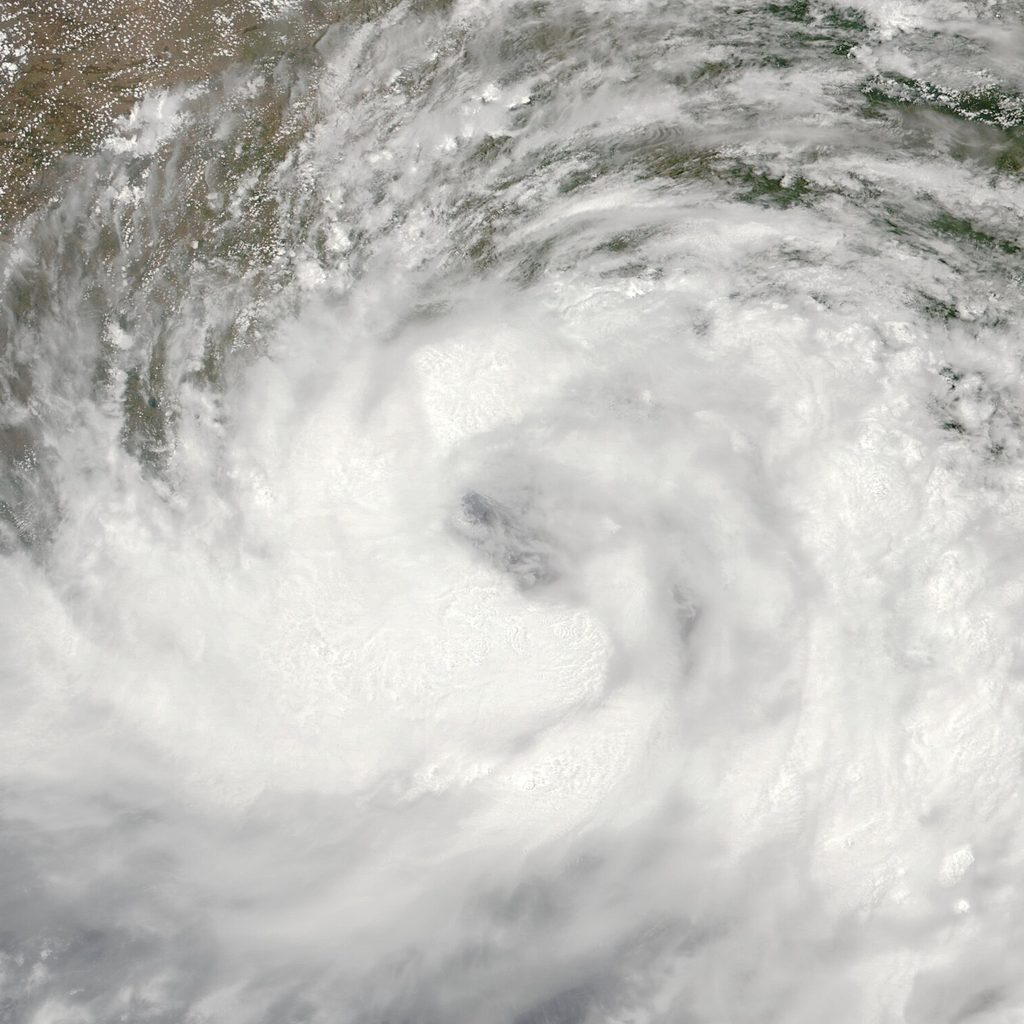
When the wind drops and the sky clears, the natural reaction is relief, followed by a rush to check on the house, the fields, the boats and the neighbours. This is exactly when many people get hurt. In India, a large share of cyclone-related deaths happen after landfall, from electrocution, falling trees, collapsing walls, flood water and disease.
This guide covers the main dangers in the hours, days and weeks after a cyclone, and what you can do about each of them.
First Rule: Wait for the All-Clear
The calm after the eye is not the end of the storm, and the end of the wind is not the end of the danger. Rain often continues for one or two days as the system moves inland, and rivers can keep rising long after the cyclone has gone, because rain upstream takes time to reach you.
- Stay in the shelter or your safe room until the district administration says it is safe.
- If you were evacuated, do not go back home until officials allow it. Roads, bridges and embankments may be damaged.
- Keep following IMD updates. Heavy rain warnings often continue for inland districts.
Danger 1: Electrocution
Fallen and damaged power lines are one of the biggest killers after a cyclone. A wire lying in a puddle or touching a tin roof, a fence or a wet tree can electrify everything around it.
- Treat every fallen wire as live. Stay at least 10 metres away, and keep children and animals away.
- Do not walk through water near electric poles, transformers or fallen lines.
- Report fallen wires to the electricity department (1912 in many states) or the district control room (1077).
- Do not switch on the mains if water entered your house. Get the wiring checked by an electrician first.
- Never touch a person who is being electrocuted with your bare hands. Switch off the power if you can, or push them away with a dry wooden stick, then call 108.
Danger 2: Flood Water
Flood water after a cyclone is not just water. It hides open drains, manholes, broken glass, nails, tin sheets, live wires and snakes, and it is usually mixed with sewage and dead animals.
- Do not walk, swim or drive through flood water if you can avoid it. 15 cm of moving water can knock you over.
- Do not let children play in flood water or ponds.
- If you must walk through it, wear closed shoes, test the ground ahead with a stick, and move slowly.
- Wash with soap and clean water afterwards, and cover any cuts.
- Stay away from rivers, canals and embankments. They can breach suddenly days after the storm.
Danger 3: Falling Trees and Weak Buildings
Trees, walls and roofs that survived the storm may be cracked, leaning or soaked and ready to fall.
- Before entering your home, look for cracks in walls, a sagging roof, leaning pillars or a shifted foundation. If in doubt, do not go in.
- Mud and brick walls soaked with water can collapse suddenly, especially the day after the storm.
- Smell for gas when you enter. If you smell LPG, do not switch on lights or light a match. Open doors and windows, leave, and call for help.
- Keep away from leaning trees and hanging branches. Let trained teams (NDRF, SDRF, fire service or the forest department) cut large fallen trees.
- If you are clearing debris yourself, wear gloves, closed shoes and long sleeves, and never work alone.
Danger 4: Snakebites
Floods drive snakes out of their holes and into houses, cattle sheds, woodpiles and debris. India has the highest number of snakebite deaths in the world, and the risk rises after cyclones and floods.
- Use a torch at night and check bedding, shoes and dark corners before reaching in.
- Move debris with a stick, not your hands.
- If someone is bitten: keep them calm and still, keep the bitten limb still and below heart level, remove rings and tight items, and take them to the nearest hospital for anti-snake venom as fast as possible. Call 108.
- Do not cut the bite, suck out venom, tie a tight tourniquet, apply herbs or go to a traditional healer. These waste precious time and make things worse.
Danger 5: Unsafe Water and Disease
After a cyclone, wells, ponds and pipelines are often contaminated with flood water and sewage. Diarrhoea, cholera, typhoid and jaundice (hepatitis A and E) can spread within days.
Make Water Safe
- Boil it: a full rolling boil for at least one minute, then cool it in a clean, covered pot.
- Or chlorinate it: use chlorine tablets, or bleaching powder solution as the health department directs, and wait 30 minutes before drinking.
- Do not use flooded wells until they have been cleaned and chlorinated. Panchayats and health workers usually do this after a disaster.
Food Safety
- Throw away any food that touched flood water, unless it is in a sealed, undamaged can or packet.
- Throw away food from a fridge that has been without power for more than a day if it smells or looks wrong. When in doubt, throw it out.
- Wash hands with soap before eating and after using the toilet. Use ORS at the first sign of diarrhoea, especially for children and elderly people.
Leptospirosis
Leptospirosis spreads through water contaminated with the urine of rats and cattle, and enters through cuts and cracked skin. It is common in coastal India after floods. Symptoms are sudden high fever, headache, muscle pain (especially in the calves) and red eyes, usually 5 to 14 days after contact with flood water. See a doctor early and tell them you were in flood water. It is treatable when caught early.
Mosquitoes
Stagnant water left by a cyclone breeds mosquitoes within a week. Empty water from pots, tyres, coconut shells and buckets, sleep under a mosquito net, and see a doctor for any fever that lasts more than a day or two. Dengue and malaria cases often rise in the weeks after a cyclone.
Danger 6: Generators and Carbon Monoxide
When power is out for days, people turn to generators, charcoal stoves and kerosene heaters. All of these produce carbon monoxide, a gas with no colour or smell that can kill a sleeping family in a closed room.
- Run generators outdoors only, at least 6 metres away from doors, windows and vents.
- Never cook with charcoal or run a generator inside a room, verandah, garage or shed.
- Headache, dizziness, nausea and sleepiness in more than one person at the same time are warning signs. Get everyone into fresh air at once and call 108.
- Never connect a generator to the house wiring without a proper changeover switch. It can send power back down the line and kill electricity workers repairing it.
Danger 7: Injuries and Infection
Cuts from tin sheets, glass and nails are very common during clean-up, and wounds in dirty water get infected easily.
- Clean every wound with clean water and soap, apply antiseptic and cover it.
- Get a tetanus injection if the wound is deep or dirty and you have not had one in the last 5 years.
- See a doctor if a wound becomes red, swollen, hot or painful.
Danger 8: Stress and Exhaustion
Losing a home, crops, boats or loved ones is a huge shock. Exhaustion also causes accidents during clean-up.
- Take breaks, drink water and eat regularly.
- Children may be scared, clingy or have nightmares. Keep them close, keep routines where you can, and let them talk.
- If you or someone in your family is struggling to cope, call the national Tele-MANAS mental health helpline on 14416. It is free and available in many Indian languages.
Recovering and Claiming Help
- Photograph all damage to your house, crops, boats, nets and livestock before you clean up. You will need this for compensation and insurance claims.
- Contact your panchayat, revenue inspector or tehsil office about damage assessment and relief under the State Disaster Response Fund.
- Inform your insurance company (crop, house, boat or life) as soon as possible.
- Keep your document pouch safe. Relief usually requires Aadhaar, a bank account and proof of ownership.
Quick Checklist After a Cyclone
- ☐ Wait for the official all-clear
- ☐ Stay 10 metres from fallen wires and report them
- ☐ Avoid flood water and keep children out of it
- ☐ Check the house for cracks and gas before entering
- ☐ Boil or chlorinate all drinking water
- ☐ Use a torch at night and watch for snakes
- ☐ Run generators outdoors only
- ☐ Clean and cover every wound
- ☐ See a doctor for any fever after flood exposure
- ☐ Photograph damage for compensation
Before the next storm, read What to Do During a Cyclone and save the emergency helpline numbers.
This article gives general safety information and is not a substitute for medical advice. Follow instructions from your district administration and health department. Indian Cyclones is an independent explainer, not an official warning service.