What to Do During a Cyclone: Hour-by-Hour Safety Guide
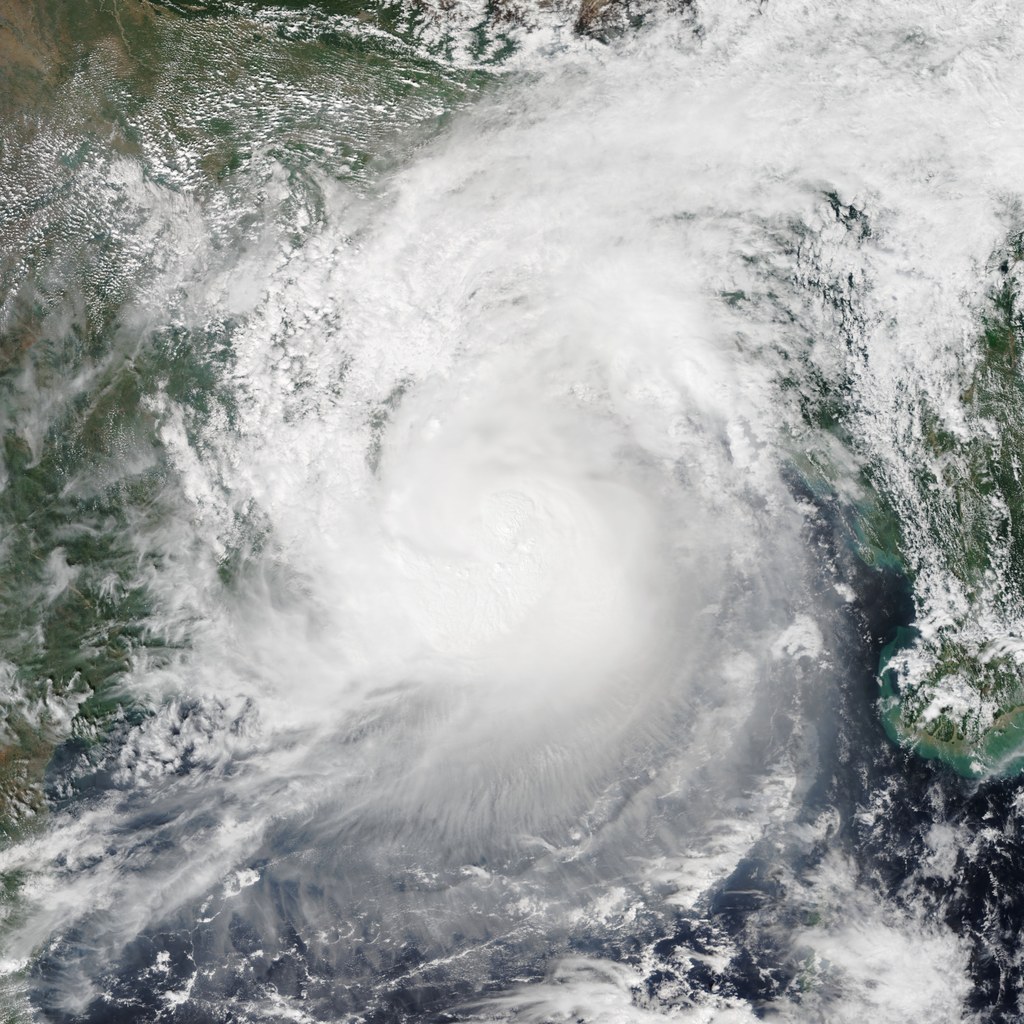
Most of the work of surviving a cyclone is done before it arrives, with an emergency kit, a plan and a safe place to go. But the last 24 hours, and the hours when the storm is passing over, are when the decisions that save or cost lives are made.
This guide follows a cyclone from the final warning to the all-clear and tells you what to do at each stage.
24 Hours Before Landfall: The Cyclone Warning
IMD issues a Cyclone Warning about 24 hours before adverse weather begins on the coast. The sky may still look normal. Do not let that fool you.
- Decide now: stay or go. If you live in a kutcha or thatched house, under a tin or asbestos roof, in a low-lying area near the sea or a river mouth, or in an area your district has marked for evacuation, move to a cyclone shelter or a strong concrete building today.
- Follow evacuation orders immediately. Officials order evacuation because of storm surge, which can push the sea several metres inland. Most people who die in cyclones drown. Read Storm Surge: The Hidden Killer to understand why.
- Move the most vulnerable first: pregnant women, elderly people, people with disabilities, the sick and small children.
- Fill water containers, charge every phone and power bank, and withdraw cash.
- Bring in or tie down anything that wind can throw: tin sheets, flower pots, cycles, plastic chairs, dish antennas.
- Move valuables, grain, documents and electronics to a high shelf in case water enters.
- Untie cattle and move them to higher ground.
12 Hours Before: Final Preparations
- Close and protect windows. Shutters, wooden boards, or at least keep curtains closed to catch flying glass. Taping a cross on glass does not stop it breaking. It only makes bigger, more dangerous pieces.
- Choose your safe room: a small inner room with no windows, such as a bathroom, store room or inner corridor. Move your stay-home kit there.
- Cook and eat now. Prepare dry food and boiled water for the next day.
- Turn off the gas cylinder at the regulator once cooking is done.
- Keep listening to IMD updates on radio, TV or the Mausam app. Landfall time and place can change.
- Finish all travel. Do not set out for the coast, a river or another town.
6 Hours Before: Winds Start to Rise
The outer rain bands arrive first, with heavy showers and gusts that come and go. Each band is stronger than the last.
- Go indoors and stay there. Do not go to the beach to watch the waves. Every year, people are swept away doing this.
- If you have not evacuated yet and you are in danger, leave now while roads are still passable. Once winds reach gale force, travel becomes deadly.
- Switch off the electricity at the main switch if water starts to enter the house, or if officials advise it.
- Keep children and pets in the same room as the adults.
During the Cyclone
When the eyewall arrives, the wind can be strong enough to tear off roofs, snap trees and electric poles, and turn tin sheets into flying blades. The noise can be terrifying. Here is how to stay safe:
- Stay in your safe room, away from windows, glass doors and outside walls.
- If the roof starts to fail, get under a strong table or bed, or crouch in a corner and protect your head with your arms, a pillow or a mattress.
- If water rises inside, move to a higher floor or a strong raised platform. Do not climb onto a tin roof or terrace while the wind is strong. Take a whistle and a phone with you.
- Do not touch electrical switches or appliances with wet hands or while standing in water.
- Do not use candles if you can avoid it. Use torches. Fire is a real risk when wind blows through broken windows.
- Do not use the lift in a building. Power can fail and trap you.
- Keep your phone use short. Save the battery for emergencies and updates.
If You Are Caught Outside
- Get into the nearest strong concrete building: a school, government office, temple or shop.
- Stay away from trees, electric poles, hoardings, walls and tin-roofed sheds.
- If you are in a vehicle, stop away from trees and poles, stay inside with your seatbelt on, and keep your head below the windows.
- Never walk or drive into moving water. 15 cm of fast water can knock you over, and 30-60 cm can carry away a car.
The Eye Trap: Why the Calm Is Not the End
If the centre of the cyclone passes directly over you, something strange happens. After hours of screaming wind, everything suddenly goes quiet. The rain stops. You may even see a patch of blue sky or stars. This is the eye of the cyclone.
The eye can be 10 to 50 km wide or more, and the calm can last from a few minutes to around an hour, depending on the size and speed of the storm. It feels like the cyclone is over. It is not.
The other side of the eyewall is on its way, with winds just as strong as before, and now they blow from the opposite direction. Trees, walls and roofs already weakened by the first half of the storm are now pushed the other way, and many fail. People who went outside to check on damage, cattle or neighbours are caught in the open.
During the eye:
- Stay where you are. Do not go outside, not even for a few minutes.
- If you must, quickly fix something inside the house, such as moving to a safer room, and then return to your safe place.
- Expect the wind to return suddenly, and from the other side.
- Remember that you may be in the eye even if you cannot see blue sky. If the wind drops suddenly at the height of the storm, assume it is the eye.
Slow-moving storms are the most dangerous for this. The 1999 Odisha Super Cyclone stalled near the coast after landfall, so the same villages were battered for well over a day. A quiet spell during a storm like that is never a safe moment to go out.
After the Winds Drop
The danger does not end when the wind dies down. Many cyclone deaths in India happen in the hours and days after landfall, from electrocution, falling trees, flood water and disease.
- Wait for the official all-clear from your district administration before leaving the shelter or going outside.
- Heavy rain often continues for a day or two as the storm moves inland, and rivers can flood after the storm has passed.
- Read our full guide: After the Storm: The Dangers That Kill Even After a Cyclone Passes.
Quick Summary
| When | Most important action |
|---|---|
| 24 hours before | Decide to stay or evacuate. Follow evacuation orders. |
| 12 hours before | Protect windows, pick a safe room, cook, turn off gas. |
| 6 hours before | Go indoors and stay. No travel, no beach visits. |
| During the storm | Stay in your safe room, away from windows. Protect your head. |
| In the eye | Do not go outside. The wind will return from the other side. |
| After | Wait for the official all-clear. Watch out for wires and flood water. |
Indian Cyclones is an independent explainer, not an official warning service. Always follow IMD bulletins and instructions from your district administration.