India's Two Cyclone Seasons: Pre-Monsoon and Post-Monsoon
Why Cyclones Come in Two Windows
Cyclones over the north Indian Ocean follow the monsoon. They cluster in two seasons, one before the monsoon and one after it, with a quieter stretch in between and in winter.
Pre-Monsoon Season: April to June
As the sea warms in spring, it becomes warm enough to fuel a cyclone. The winds high in the atmosphere are also gentle, which lets storms organize. Some of the strongest storms in our archive formed in this season:
- Fani (April-May 2019)
- Amphan (May 2020)
- Mocha (May 2023)
- Gonu (June 2007), in the Arabian Sea
The Monsoon Gap: June to September
During the monsoon, strong winds blowing at different heights work against a young cyclone and tear it apart. The Bay of Bengal still breeds low-pressure systems and depressions, and they bring heavy rain, but full cyclones are much rarer.
Post-Monsoon Season: October to December
Once the monsoon withdraws, the seas are at their warmest and the winds ease again. This is the peak season for the Bay of Bengal and the time of India's deadliest storms:
- The Odisha Super Cyclone (October-November 1999)
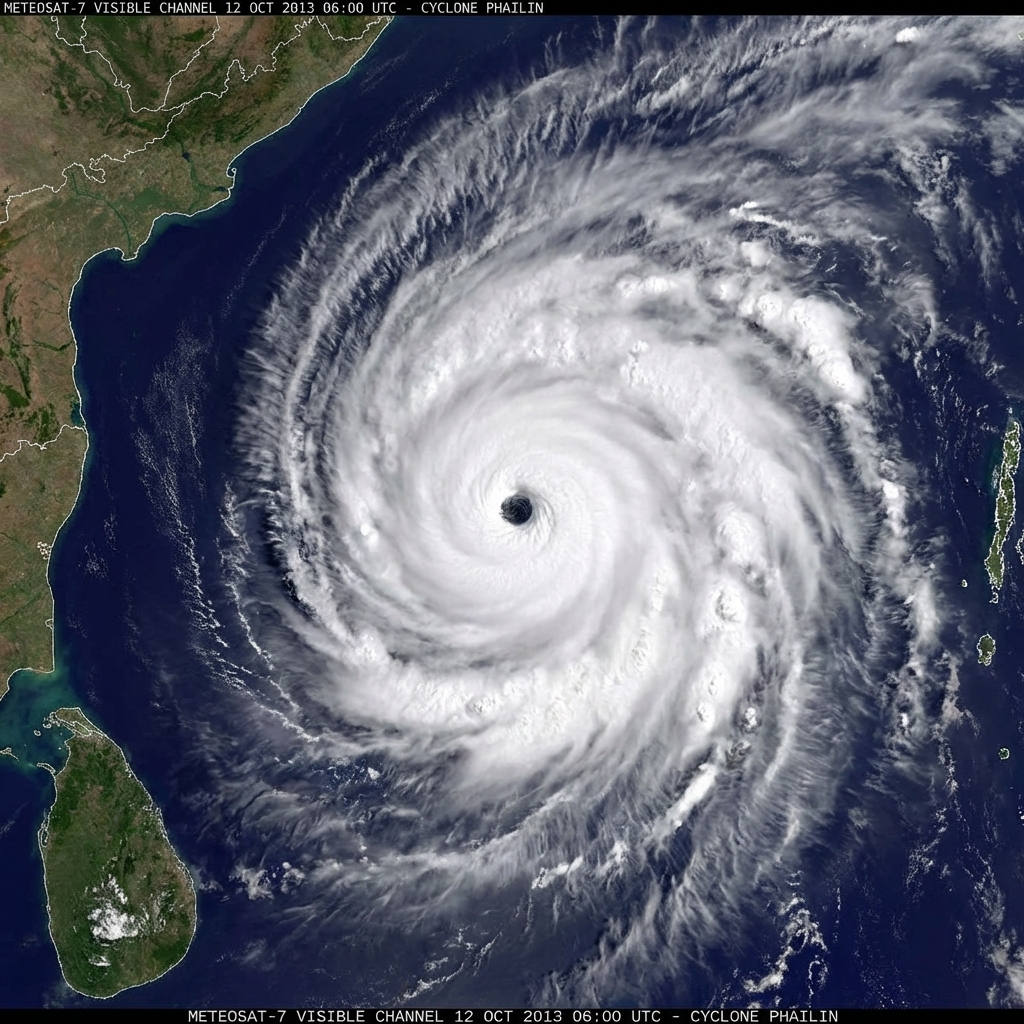
- Phailin (October 2013)
- Hudhud (October 2014)
- Vardah (December 2016)
- Kyarr (October-November 2019), in the Arabian Sea
What This Means for You
If you live on the coast, make your preparations before the two windows open, not after a warning appears. The homepage of this site shows which season we are in and how many archived storms belong to it.
You can also browse the full archive and filter by season.