How Cyclones Are Named in India and the North Indian Ocean
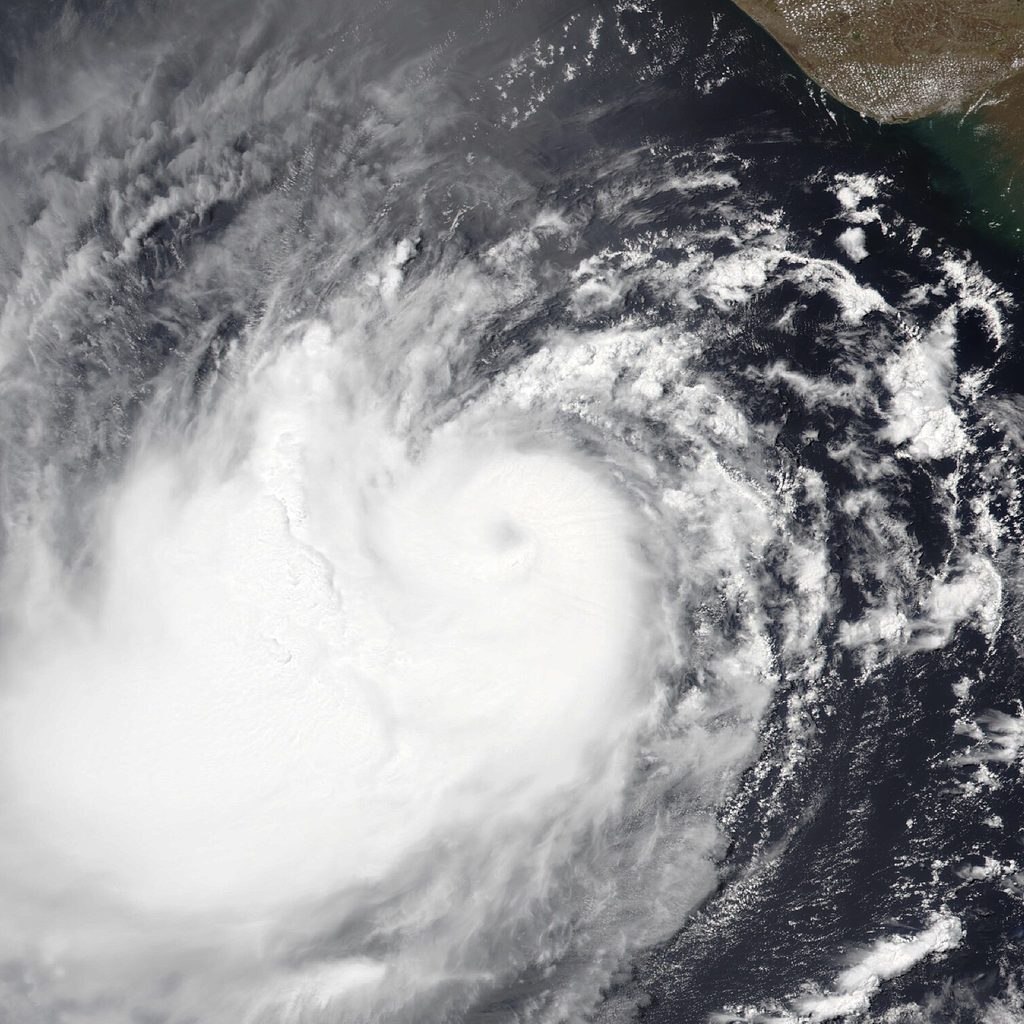
Amphan. Fani. Biparjoy. Arnab. Cyclone names make headlines every season, and every time, people ask the same questions: who chose that name, what does it mean, and why does one storm get a name and another one does not? Here is the full story of how cyclones are named in India and the North Indian Ocean.
Why Cyclones Get Names
Before names, cyclones were known by numbers and codes such as "BOB 03" or by the year and place where they hit, such as the "1999 Odisha Super Cyclone". That works for scientists, but not for the public.
A short, distinctive name helps in several ways:
- Clear warnings: a name is easier to remember and repeat on radio, TV and in villages than coordinates or codes.
- No confusion: when two systems are active at once, such as one in the Arabian Sea and one in the Bay of Bengal, names stop people mixing up warnings.
- Faster communication between weather services, disaster managers, the media and the public across 13 countries.
- Public awareness: people pay more attention to a named storm, and preparedness improves.
Who Names Cyclones in the North Indian Ocean?
The World Meteorological Organization (WMO) divides the world's oceans into regions, each with an official centre responsible for tropical cyclones. For the Bay of Bengal and the Arabian Sea, that centre is RSMC New Delhi, run by the India Meteorological Department (IMD).
IMD does not invent the names on the spot. It takes the next name from a list agreed in advance by the member countries of the WMO/ESCAP Panel on Tropical Cyclones (PTC), which covers the countries around the North Indian Ocean.
The 13 Member Countries
The naming system for this region began in 2004 with eight countries: Bangladesh, India, Maldives, Myanmar, Oman, Pakistan, Sri Lanka and Thailand. Each gave eight names, making a list of 64. The first storm named from it was Onil in 2004, and the last was Amphan in May 2020.
In 2018, five more countries joined: Iran, Qatar, Saudi Arabia, the United Arab Emirates and Yemen. In April 2020 the panel adopted a new list of 169 names: 13 names from each of the 13 countries.
How the List Works
The list is arranged in 13 columns. Inside each column, the countries are in alphabetical order: Bangladesh, India, Iran, Maldives, Myanmar, Oman, Pakistan, Qatar, Saudi Arabia, Sri Lanka, Thailand, UAE, Yemen.
Names are used one after another down the first column, then down the second, and so on. The same list is shared by the Bay of Bengal and the Arabian Sea. The next storm takes the next name, wherever it forms.
You can see this in recent seasons. The first column ran from Nisarga (Bangladesh, June 2020) to Mocha (Yemen, May 2023). The second column started with Biparjoy (Bangladesh, June 2023) and ended with Ditwah (Yemen, 2025). The third column began with Arnab (Bangladesh, 2026), followed by Murasu (India, 2026).
The next name is Akvan, contributed by Iran.
The Complete List of 169 Cyclone Names
Here is the full list adopted in 2020, with every name from all 13 countries. Read it column by column, top to bottom: column 1 from Bangladesh down to Yemen, then column 2, and so on. The colours show where the list stands today.
- Grey, crossed out = already used
- Amber = most recent cyclone (Murasu)
- Red = next name to be used
- White = not yet used
| Country | 1 | 2 | 3 | 4 | 5 | 6 | 7 | 8 | 9 | 10 | 11 | 12 | 13 |
|---|---|---|---|---|---|---|---|---|---|---|---|---|---|
| Bangladesh | Nisarga | Biparjoy | Arnab | Upakul | Barshon | Rajani | Nishith | Urmi | Meghala | Samiron | Pratikul | Sarobor | Mahanisha |
| India | Gati | Tej | Murasu | Aag | Vyom | Jhar | Probah | Neer | Prabhanjan | Ghurni | Ambud | Jaladhi | Vega |
| Iran | Nivar | Hamoon | Akvan | Sepand | Booran | Anahita | Azar | Pooyan | Arsham | Hengame | Savas | Tahamtan | Toofan |
| Maldives | Burevi | Midhili | Kaani | Odi | Kenau | Endheri | Riyau | Guruva | Kurangi | Kuredhi | Horangu | Thundi | Faana |
| Myanmar | Tauktae | Michaung | Ngamann | Kyarthit | Sapakyee | Wetwun | Mwaihout | Kywe | Pinku | Yinkaung | Linyone | Kyeekan | Bautphat |
| Oman | Yaas | Remal | Sail | Naseem | Muzn | Sadeem | Dima | Manjour | Rukam | Watad | Al-jarz | Rabab | Raad |
| Pakistan | Gulab | Asna | Sahab | Afshan | Manahil | Shujana | Parwaz | Zannata | Sarsar | Badban | Sarrab | Gulnar | Waseq |
| Qatar | Shaheen | Dana | Lulu | Mouj | Suhail | Sadaf | Reem | Rayhan | Anbar | Oud | Bahar | Seef | Fanar |
| Saudi Arabia | Jawad | Fengal | Ghazeer | Asif | Sidrah | Hareed | Faid | Kaseer | Nakheel | Haboob | Bareq | Alreem | Wabil |
| Sri Lanka | Asani | Shakhti | Gigum | Gagana | Verambha | Garjana | Neeba | Ninnada | Viduli | Ogha | Salitha | Rivi | Rudu |
| Thailand | Sitrang | Montha | Thianyot | Bulan | Phutala | Aiyara | Saming | Kraison | Matcha | Mahingsa | Phraewa | Asuri | Thara |
| UAE | Mandous | Senyar | Afoor | Nahhaam | Quffal | Daaman | Deem | Gargoor | Khubb | Degl | Athmad | Boom | Saffar |
| Yemen | Mocha | Ditwah | Diksam | Sira | Bakhur | Ghwyzi | Hawf | Balhaf | Brom | Shuqra | Fartak | Darsah | Samhah |
So far, 28 of the 169 names have been used (all 26 names in the first two columns, from Nisarga to Ditwah, plus Arnab and Murasu), and 141 are still waiting. At the recent pace of four or five named storms a year, the list should last well into the 2050s. Source: WMO, Northern Indian Ocean names. The colours update automatically each time a new storm is named.
When Does a Storm Get Its Name?
A system is named only when IMD upgrades it to a Cyclonic Storm, with maximum sustained winds of 62 km/h (34 knots) or more. Lower-stage systems are not named:
- Low pressure area / Depression / Deep Depression: no name, only a code such as BOB 08 or ARB 02.
- Cyclonic Storm and above: receives the next name on the list.
This is why the Bay of Bengal system that brought heavy rain to Andhra Pradesh in September 2026 never got a name: it peaked as a Deep Depression. We explain this in Was Cyclone Arnab Really a Cyclone?. For the full intensity scale, see How IMD Classifies Cyclones.
A storm keeps its name for its whole life, including after it weakens. If a storm that was already named in the western Pacific crosses into the Bay of Bengal, it keeps its original name rather than taking one from the Indian Ocean list.
The Rules Every Name Must Follow
Countries cannot suggest just any name. Under the panel's guidelines, a name must:
- Be neutral on politics and political figures, religious beliefs, cultures and gender.
- Not hurt the feelings of any group of people anywhere in the world.
- Not be rude or cruel.
- Be short and easy to pronounce, and not offensive to any member country.
- Have a maximum of eight letters.
- Come with its pronunciation and a voice-over, so broadcasters say it correctly.
- Never be repeated. Once used, a name is removed from the list.
What Do Cyclone Names Mean?
Many names are everyday words in the language of the country that suggested them, often about nature, weather or the sea:
| Name | Country | Meaning |
|---|---|---|
| Biparjoy | Bangladesh | Disaster (Bengali) |
| Arnab | Bangladesh | Ocean or sea |
| Gati | India | Speed |
| Tej | India | Speed or fast |
| Murasu | India | Drum (Tamil) |
| Tauktae | Myanmar | A gecko known for its loud call (Burmese) |
| Yaas | Oman | Jasmine |
| Mocha | Yemen | The Red Sea port of Mokha, famous for coffee |
How This Compares With Other Oceans
- Atlantic: six alphabetical lists that rotate, so names are reused every six years. Names of very deadly or destructive hurricanes, such as Katrina, are retired.
- Western Pacific: 14 countries each contribute names, used in rotation, and destructive storms' names are replaced.
- North Indian Ocean: every name is used only once, so there is no need to retire them.
India's Own Contributions
India's names on the 2004 list were Agni, Akash, Bijli, Jal, Lehar, Megh, Sagar and Vayu. On the 2020 list, India contributed Gati, Tej, Murasu, Aag, Vyom, Jhar, Probah, Neer, Prabhanjan, Ghurni, Ambud, Jaladhi and Vega. IMD has invited name suggestions from the public in the past, and the final selection is made by an IMD committee before being sent to the panel.
Key Points to Remember
- IMD (RSMC New Delhi) names cyclones for the Bay of Bengal and Arabian Sea.
- Names come from a list of 169 names given by 13 countries in 2020.
- A storm is named only when it reaches Cyclonic Storm strength (62 km/h).
- Names are used in order, column by column, and never reused.
- After Murasu, the next name is Akvan (Iran).
Follow the next named storm as it forms on our Active Systems page, and browse past storms in the Cyclone Archive.