Cyclone Port Warning Signals Explained: Signal I to XI
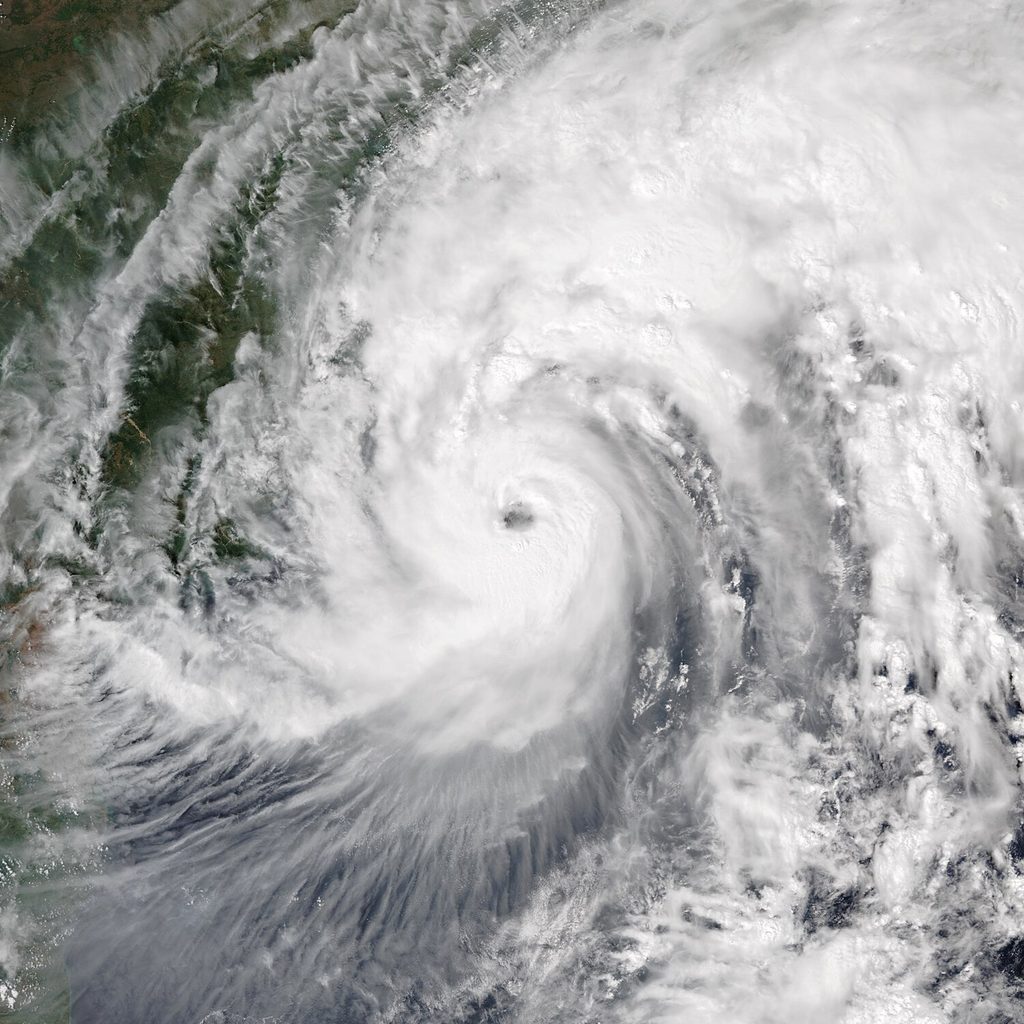
During every cyclone, news reports carry lines like "Great Danger Signal X hoisted at Gopalpur" or "Distant Cautionary Signal II raised at Chennai port". These signals are among the oldest warning systems in India, dating back to the days of sailing ships, and they are still in use today. Here is what each one means.
What Are Port Warning Signals?
Port warning signals tell ships and boats in and near a port how dangerous the weather is expected to be. IMD sends port warnings to the port authorities, and the port officers hoist the signal on a mast so it can be seen from the harbour and the sea. By day, signals are shown with flags and shapes such as cones and cylinders. At night, they are shown with coloured lights.
India uses a system of 11 signals, numbered I to XI in Roman numerals. They fall into four groups.
The 11 Signals at a Glance
| Signal | Name | What it means |
|---|---|---|
| I | Distant Cautionary | There is a region of squally weather in which a cyclone may form. |
| II | Distant Warning | A cyclone has formed. |
| III | Local Cautionary | The port is threatened by squally weather. |
| IV | Local Warning | The port is threatened by a cyclone, but the danger is not yet great enough for extreme precautions. |
| V | Danger | Severe weather from a cyclone of slight or moderate intensity, expected to cross the coast to the south of the port (east coast) or to the north (west coast). |
| VI | Danger | Severe weather from a cyclone of slight or moderate intensity, expected to cross the coast to the north of the port (east coast) or to the south (west coast). |
| VII | Danger | Severe weather from a cyclone of slight or moderate intensity, expected to cross over or near the port. |
| VIII | Great Danger | A severe cyclone, expected to cross the coast to the south of the port (east coast) or to the north (west coast). |
| IX | Great Danger | A severe cyclone, expected to cross the coast to the north of the port (east coast) or to the south (west coast). |
| X | Great Danger | A severe cyclone, expected to cross over or near the port. |
| XI | Failure of Communication | Communication with the warning centre has broken down, and the local officer believes there is a risk of bad weather. |
Group 1: Distant Signals (I and II)
These are for ships about to leave the port. The port itself is not in danger yet, but the voyage might be.
- Signal I: bad weather out at sea where a cyclone could develop. Ships leaving the port may run into it.
- Signal II: a cyclone has formed out at sea. Ships leaving the port may run into it.
Group 2: Local Signals (III and IV)
Now the port itself is affected, but not yet in serious danger.
- Signal III: squally weather (sudden strong gusts and rain) is expected at the port.
- Signal IV: a cyclone threatens the port, but extreme measures are not yet needed. Ports start making arrangements.
Group 3: Danger Signals (V, VI and VII)
The port will experience severe weather from a cyclone of slight or moderate intensity. The three signals tell you where the cyclone is expected to cross the coast in relation to the port:
- V and VI show the storm will cross the coast on one side of the port or the other.
- VII means the storm is expected to cross over or near the port itself.
Group 4: Great Danger Signals (VIII, IX and X)
The same pattern as the Danger Signals, but for a severe cyclone with much stronger winds. Great Danger Signal X is the highest warning: a severe cyclone is expected to cross over or near the port. When you see Signal X in the news for a port near you, the coast around it is in serious danger.
Signal XI: When Communication Fails
Signal XI is not a higher level of danger. It means the port has lost contact with the meteorological warning centre, and the local officer believes bad weather is possible. It is a reminder from the time before satellites and mobile phones, when a cut telegraph line could leave a port without warnings.
Why "South" and "North" Swap Between Coasts
Signals V, VI, VIII and IX describe where the cyclone will cross the coast relative to the port, and the meaning swaps between the east and west coasts. Cyclones in the Bay of Bengal usually move towards the northwest or north, and those in the Arabian Sea often move towards the northeast or north, so the same number corresponds to a similar position relative to the storm's path on both coasts. For a storm on a typical track, Signals V and VIII put the port on the right-hand side of the storm's path, while VI and IX put it on the left-hand side.
What matters most for people on shore is that the right side of a cyclone's path usually brings the strongest winds and storm surge. Our guide How to Read a Cyclone Track Map explains why.
Port Signals vs Public Warnings
Port signals are made for ports and ships, not for the general public. For your home and family, the warnings that matter are:
- IMD's four-stage cyclone warnings: Pre-Cyclone Watch, Cyclone Alert, Cyclone Warning and Post-Landfall Outlook. See IMD Cyclone Warnings Explained.
- District colour-coded warnings (yellow, orange, red).
- Evacuation orders from your district administration.
- IMD's fishermen warnings, if you work at sea. See Cyclone Safety for Fishermen and Coastal Families.
That said, port signals are a useful guide. If the nearest port has raised a Danger or Great Danger signal, the coast around it is at serious risk, and you should already be following your local evacuation and safety advice.
Port Signals in Neighbouring Countries
Bangladesh uses a similar numbered system for its seaports, inherited from the same historical roots. That is why Bangladeshi news also reports "Great Danger Signal 10" during severe cyclones such as Amphan and Remal. The numbers look alike, but always read each country's own definitions.
Key Points to Remember
- India uses 11 port signals, from I to XI.
- I-II are distant warnings, III-IV local warnings, V-VII danger, VIII-X great danger.
- VII and X mean the storm is expected to cross over or near the port.
- X is the highest danger signal. XI means communication has failed.
- For your own safety, follow IMD district warnings and your district administration.
Follow live storm updates on our Active Systems page.
Indian Cyclones is an independent explainer, not an official warning service.