Cyclone Safety for Fishermen and Coastal Families
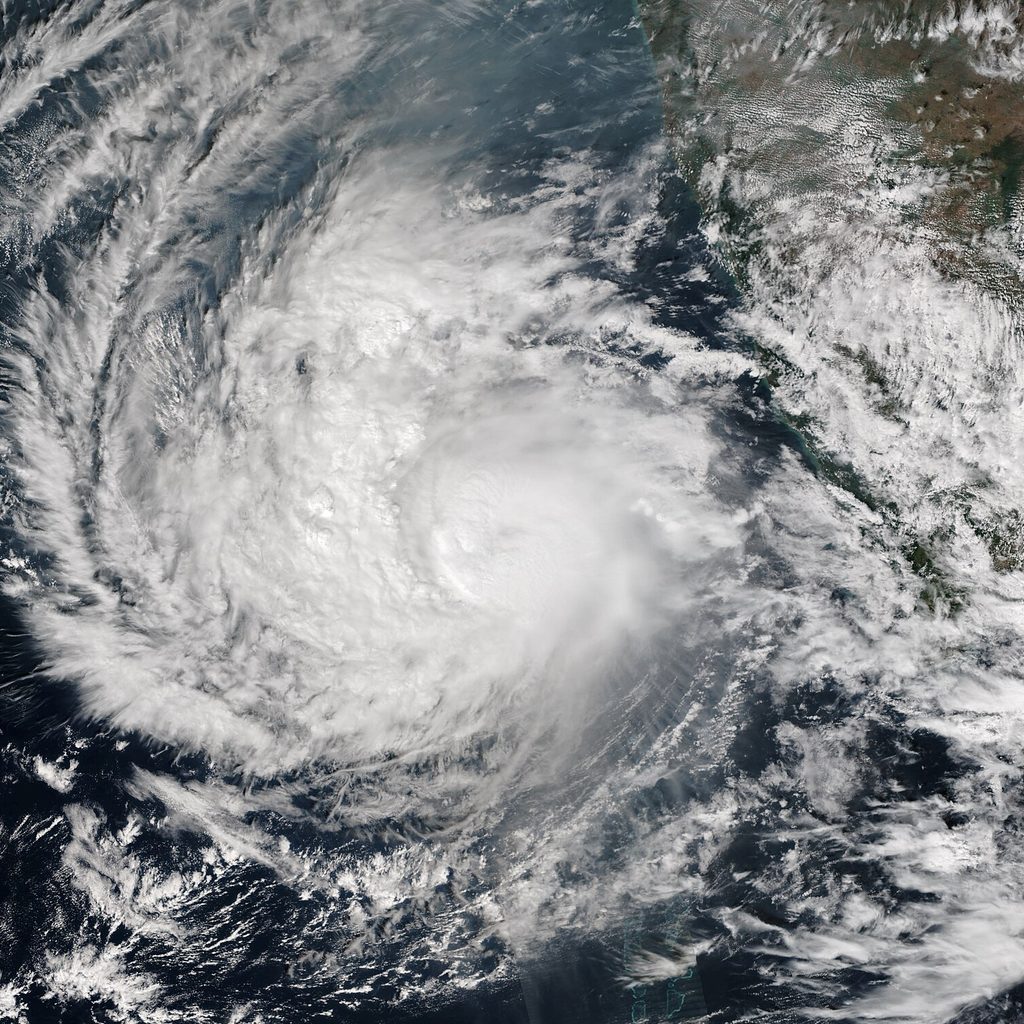
For people who live from the sea, a cyclone threatens both their lives and their livelihood. Fishermen are often the first to face a cyclone, sometimes days before it reaches land, and coastal families face the storm surge that causes most cyclone deaths in India.
This guide is for fishing communities, boat owners, salt workers, and anyone living within a few kilometres of the sea on India's east and west coasts.
The Lesson of Cyclone Ockhi
In late November 2017, a low-pressure area in the southern Bay of Bengal, close to Sri Lanka, grew from a depression into a cyclonic storm in less than a day. Cyclone Ockhi then swept past southern Tamil Nadu and Kerala into the Arabian Sea. Hundreds of fishermen from Kanyakumari and Thiruvananthapuram were already far out at sea on multi-day trips, and warnings did not reach them in time. Official figures put the toll in India in the hundreds, making it India's deadliest cyclone since 1999.
Ockhi changed how India warns fishermen. Warnings are now sent earlier, and devices that carry them to boats far beyond mobile network range are now being given to fishermen. But the core lesson is simple: at sea, a few hours can be the difference between life and death. Act on the first warning, not the last.
How IMD Warns Fishermen
IMD includes a fishermen warning in every cyclone bulletin, and issues fishermen warnings even for depressions. They usually follow this pattern:
| Warning message | What it means for you |
|---|---|
| "Fishermen are advised not to venture into [sea area]" | Do not start new trips into this area. |
| "Those who are out at sea are advised to return to the coast" | Head for the nearest safe harbour now. This is often 3-5 days before landfall. |
| "Total suspension of fishing operations" | No boats of any size should be at sea in this area. This is the most serious level. |
The warning names the sea areas affected, such as "southwest Bay of Bengal" or "along and off the Andhra Pradesh coast", and the dates. Read the area carefully. A cyclone forming in the south Bay of Bengal can affect fishermen far to the north within days.
Sea State: Understanding Wave Height
IMD describes the sea with standard terms based on wave height. Learn them, because they appear in every bulletin.
| Sea state | Wave height | What it means for fishing boats |
|---|---|---|
| Slight | 0.5-1.25 m | Normal fishing conditions |
| Moderate | 1.25-2.5 m | Caution for small boats and catamarans |
| Rough | 2.5-4 m | Dangerous for small and medium boats |
| Very rough | 4-6 m | Dangerous for all fishing boats |
| High | 6-9 m | Life-threatening. No fishing boat should be at sea |
| Very high | 9-14 m | Typical near a severe cyclone |
| Phenomenal | More than 14 m | Near the core of very severe and stronger cyclones |
Seas turn rough far from the centre of a cyclone. A storm that is still 500 km away can already be sending dangerous swells to your fishing grounds.
Port Warning Signals
Ports raise a numbered signal from I to XI to show the danger to the port and ships. "Danger Signal VII" or "Great Danger Signal X" in the news means the port itself is expected to be hit hard. Our guide Port Warning Signals Explained covers each signal in detail. For fishermen, the rule is simpler: once any cyclone warning is issued, stay in harbour.
Devices That Carry Warnings to Sea
Mobile phones stop working a few kilometres from the coast. These devices keep you connected:
- VHF marine radio: listen to Channel 16, the international distress and safety channel. The Coast Guard and other vessels broadcast warnings on it.
- Distress Alert Transmitter (DAT): developed by ISRO. Pressing the button sends your boat's position by satellite to the Coast Guard's rescue centres, even with no phone signal. Fisheries departments in many states give them to boats at a subsidy.
- NavIC messaging receivers: use India's own satellite navigation system to receive cyclone, high wave and fishing zone messages in local languages far out at sea.
- GEMINI: a device from INCOIS that shows warnings and potential fishing zone information on a mobile phone using satellite signals, beyond mobile range.
Ask your district fisheries office about which devices are available in your state and how to get them.
If You Are Caught at Sea
- Head for the nearest safe harbour, not necessarily your home port. Any port or sheltered anchorage is better than open sea.
- Tell the Coast Guard your position and plans on VHF Channel 16, or call 1554 while you still have signal.
- Everyone wears a life jacket at all times, not only when the weather turns bad.
- Secure all loose gear and close every hatch.
- Head the bow into the waves where possible. Taking big waves on the side can capsize a boat.
- If you must abandon the boat, stay together, stay with anything that floats, and activate your distress transmitter.
Securing Boats, Nets and Gear
Boats and nets are a family's capital. Losing them can mean losing years of income.
- Haul small boats and catamarans well above the high tide line, as far inland and as high as possible, and tie them down to strong anchors or trees.
- Moor larger boats in a protected harbour with extra lines, leaving room for the water to rise with the surge. Do not tie boats tightly side by side; they smash into each other.
- Remove engines, batteries and electronics from small boats and store them in a strong building.
- Store nets and gear in a raised, strong store room, not in a shed on the beach.
- Photograph your boat, engine and nets with your registration papers before the storm, for compensation and insurance claims.
- Never stay on a boat to guard it during a cyclone. No boat is worth a life.
Coastal Families: Storm Surge Is the Biggest Danger
Most cyclone deaths are not caused by wind. They are caused by storm surge, the sea rising several metres and rushing inland, often flooding villages for kilometres. In the 1999 Odisha Super Cyclone, surge was the main reason so many of the nearly 10,000 people died.
- Know if you are in a surge zone. If you live within a few kilometres of the sea, in a low-lying area, or near a river mouth or creek, assume you are.
- Know your nearest multipurpose cyclone shelter and the route to it. Walk the route once before the season.
- Leave early, as soon as evacuation is ordered. Roads near the coast flood first.
- Move livestock to higher ground and untie them.
- Raise grain, documents and valuables to a high, waterproof place before you leave.
- Do not return to coastal villages until officials say the sea has calmed and the surge risk is over.
Protecting Your Livelihood
- Register your boat and yourself with the fisheries department. Registered fishermen and boats are eligible for relief and compensation.
- Get insurance: the Group Accident Insurance Scheme for fishermen, run under central and state fisheries schemes, covers death and disability for registered fishermen at very low or no cost. Ask about boat and gear insurance too.
- Keep documents safe in a waterproof pouch: boat registration, fisherman ID card, bank passbook, Aadhaar and insurance papers.
- After the storm, report losses to the fisheries office promptly. Claims usually need photos and registration papers.
Quick Checklist for Fishing Families
- ☐ Life jackets for every person on every boat
- ☐ VHF radio, distress transmitter or NavIC receiver on board
- ☐ Coast Guard number 1554 saved
- ☐ Return to shore on the first warning to do so
- ☐ Boats hauled up or moored safely, engines and nets stored
- ☐ Photos of boat, engine and nets taken
- ☐ Boat and fisherman registration and insurance up to date
- ☐ Family knows the route to the nearest cyclone shelter
Save the full list of emergency helplines and apps, and check the Active Systems page for live updates when a system is forming.
Indian Cyclones is an independent explainer, not an official warning service. Always follow IMD fishermen warnings, the Indian Coast Guard and your state fisheries department.