Science
Storm Surge: The Hidden Killer Behind Cyclone Deaths
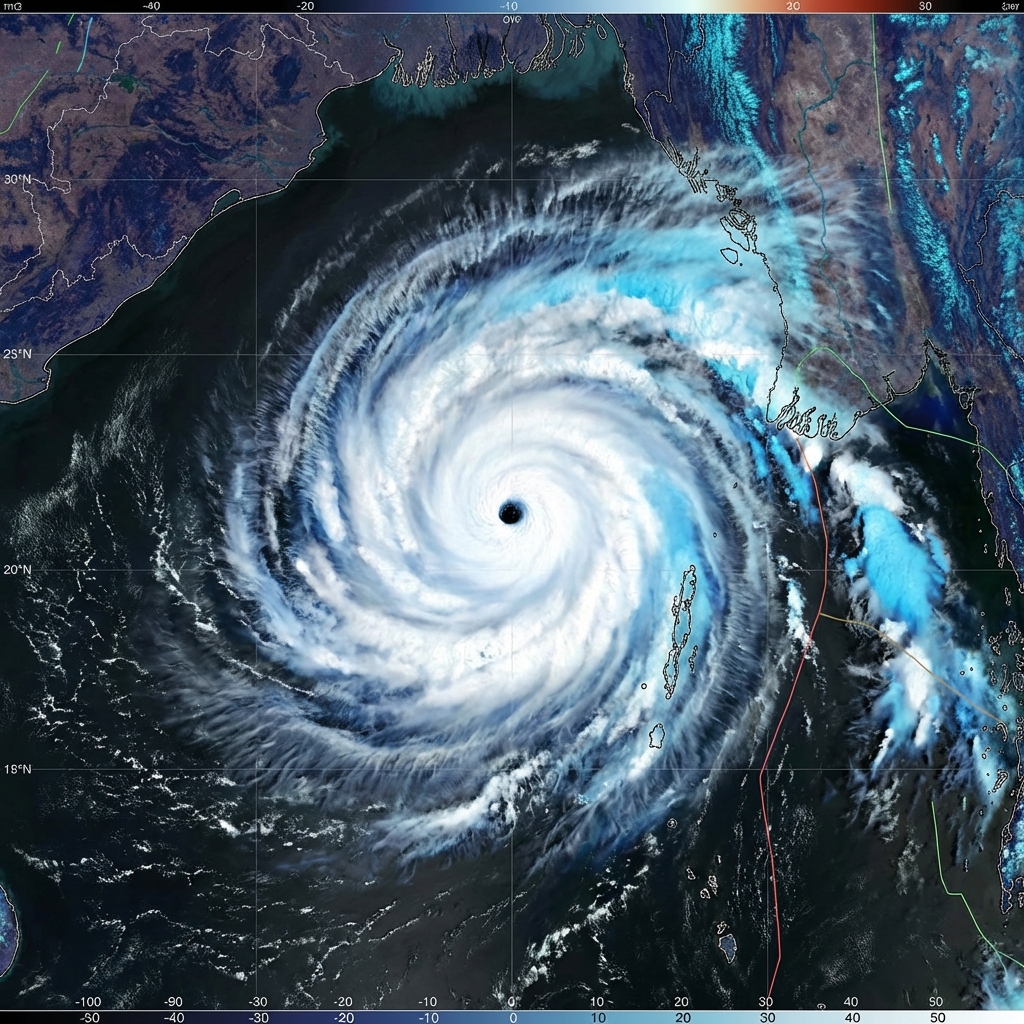
The Wall of Water
When people picture a cyclone they picture wind. Yet the biggest killer in history's worst cyclones has been the sea. A storm surge is an abnormal rise in sea level caused by a cyclone. It can push a wall of water far inland in a matter of minutes.
How a Surge Forms
- Wind pushes water. The strong winds around the centre drive the sea toward the coast.
- Low pressure lifts the sea. The very low air pressure at the centre lets the sea surface bulge upward.
- Shallow water makes it worse. Where the seabed rises slowly toward the coast, as it does in the northern Bay of Bengal, the water has nowhere to go but up and inland.
- Tide adds to it. If the surge arrives at high tide, the combined sea level, called the storm tide, is higher still.
What History Shows
Two disasters in our archive make the point:
- Cyclone Nargis (2008) pushed a surge up the low, densely populated Irrawaddy Delta in Myanmar. It killed 138,373 people, one of the highest death tolls of any cyclone on record.
- The 1999 Odisha Super Cyclone killed 9,887 people. Its combination of extreme wind and surge over a low coast led India to rebuild its warning and disaster management systems.
How Lives Are Saved
The lesson of Odisha 1999 is that surge deaths can be prevented. When Phailin struck the same coast in 2013 with winds of 215 km/h, nearly a million people were moved to safety beforehand and the death toll was 46. Cyclone shelters, early warnings and timely evacuation are what make the difference.
What You Should Do
- If you live in a low-lying coastal area, know your evacuation route and the nearest cyclone shelter before the season starts.
- When authorities order an evacuation, leave. You cannot outrun a surge once it starts.
- Do not go near the shore to watch. Surge and high waves can arrive far faster than the wind suggests.
Read more about how to prepare in our Cyclone Preparedness guide.