Farmers' Pre-Cyclone Checklist: Protect Crops and Income
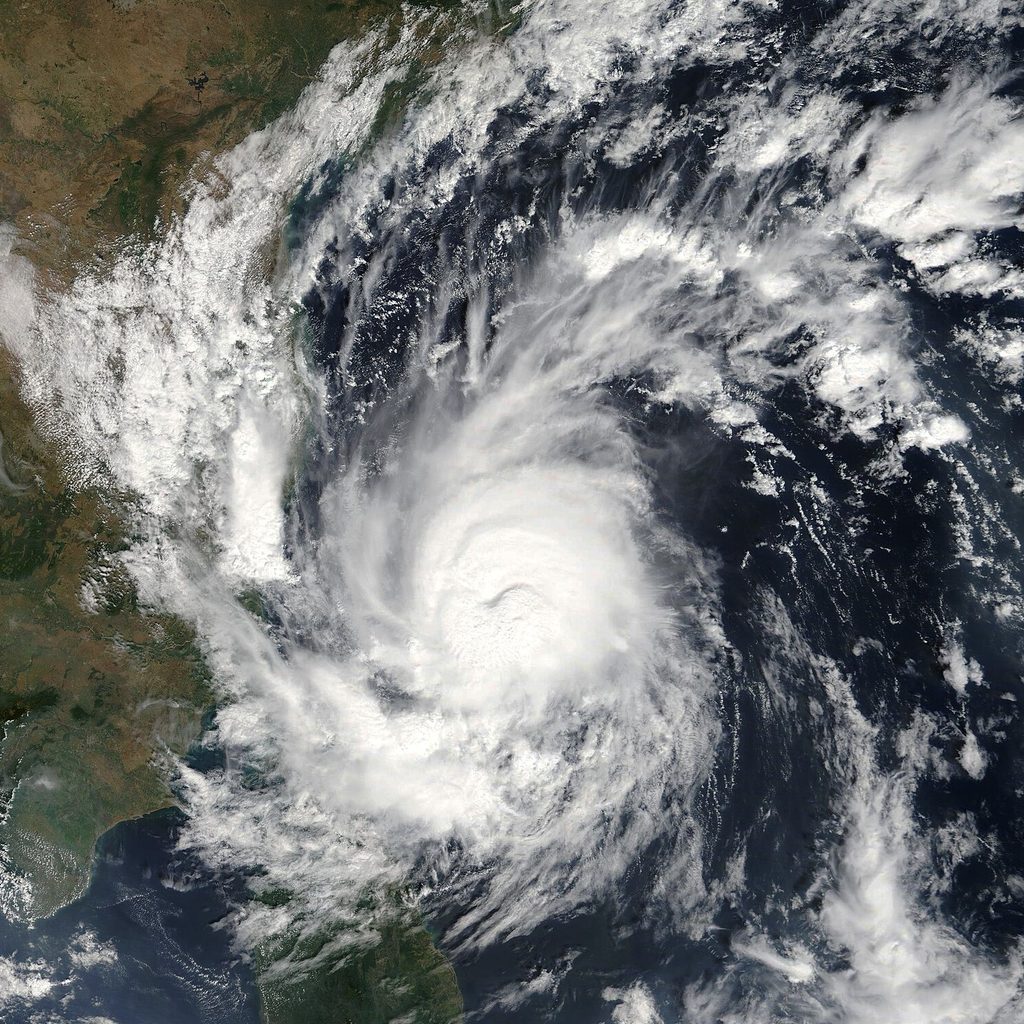
For a farmer, a cyclone can wipe out a whole season's work in one night. Cyclone Gaja in 2018 uprooted millions of coconut trees in Tamil Nadu's delta districts, destroying incomes that had taken decades to build. Not every loss can be prevented, but early action can save a large part of your harvest, stored grain, equipment and animals, and make sure you can claim compensation for what is lost.
Use IMD's agro-advisories through the Meghdoot app and your local Krishi Vigyan Kendra (KVK) for crop-specific advice.
1. Before the Season (April and October)
- ☐ Enrol in crop insurance (PMFBY) before the cut-off date for the season. Loanee farmers are usually enrolled through their bank, but check
- ☐ Insure livestock, pump sets and farm structures if possible
- ☐ Keep land records, insurance papers, bank passbook and Aadhaar in a waterproof pouch
- ☐ Install the Meghdoot and Mausam apps for farm weather advice
- ☐ Clear field channels and drains so water can run off quickly
- ☐ Prune dry fronds and remove mature nuts from coconut trees
- ☐ Plan the sowing calendar so that crops are not at harvest stage in the peak cyclone weeks, where possible
2. When a Cyclone Is Forecast (3-5 Days Before)
Harvest
- ☐ Harvest mature crops early: paddy at about 80% maturity or more, vegetables, fruits and flowers that are ready
- ☐ Do not leave harvested crops lying in the field to dry
- ☐ Move the harvest to a dry, raised and covered store
- ☐ Harvest mature fish and prawns from ponds if possible
Standing Crops
- ☐ Open field drains and bunds so water does not stand
- ☐ Prop up banana plants with bamboo poles, or tie them together
- ☐ Tie or earth up sugarcane to reduce lodging
- ☐ Earth up vegetables and young plants
- ☐ Postpone fertiliser and pesticide sprays until after the storm
- ☐ Postpone irrigation. The rain will bring more than enough water
Orchards and Plantations
- ☐ Harvest mature coconuts, mangoes, papaya and other fruit
- ☐ Remove dry and heavy branches that could break and damage the tree
- ☐ Prop up young trees with stakes
3. Protect Stored Grain and Seed
- ☐ Move grain bags to a raised platform, at least 1 metre above the floor, or to an upper floor
- ☐ Cover bags with tarpaulin or thick plastic sheets
- ☐ Keep seed for next season in sealed plastic containers or bags, raised and dry
- ☐ Store fertiliser and pesticides separately, raised, sealed and away from food and fodder
- ☐ If your store is kutcha or in a low-lying area, move grain to a pucca building
4. Equipment and Structures
- ☐ Remove electric motors and pump sets from wells and low-lying areas, or cover them with plastic and raise them
- ☐ Switch off power to farm pump sets
- ☐ Move tractors, power tillers and tools to a raised, covered place away from trees
- ☐ Roll up and store drip and sprinkler pipes
- ☐ Polyhouses and shade nets: open the sides or remove the plastic sheet so the wind does not tear the structure
- ☐ Tie down roofs of cattle sheds and farm stores
- ☐ Cover pond inlets and outlets with nets to keep fish from escaping in floods
5. Livestock and Poultry
- ☐ Store enough dry fodder and feed for at least 7 days, raised and covered
- ☐ Move animals to higher ground and untie them before the storm
- ☐ Protect poultry sheds from wind and water
- ☐ See the full pets and livestock checklist
6. Prepare Your Insurance and Compensation Claim
Many farmers lose compensation simply because they do not report losses on time or cannot prove them. Do this before the storm:
- ☐ Take photos and videos of each field and crop, with something in the frame that identifies the field
- ☐ Photograph stored grain, equipment and animals
- ☐ Note your survey numbers, crop and area for each field
- ☐ Keep the PMFBY policy details, bank passbook and land papers in your document pouch
- ☐ Save the number of your bank branch, insurance company and agriculture officer
After the Storm: Report Within 72 Hours
Under PMFBY, localised crop loss and post-harvest loss from cyclones must be reported within 72 hours. You can report through:
- The Crop Insurance mobile app
- The PMFBY helpline
- Your bank branch, insurance company office or local agriculture department office
Separately, state governments pay input subsidy for crop loss from the State Disaster Response Fund (SDRF) after a damage survey. Make sure your field is included when officials do the survey, and keep a copy of any form you submit.
7. Protect Yourself
- ☐ Do not go to the fields once the wind and rain start
- ☐ Stay away from pump sheds, electric lines and transformers in fields
- ☐ Avoid fields during thunderstorms. Use the Damini app for lightning alerts
- ☐ After the storm, watch for snakes in fields, stores and haystacks
Quick Summary
| When | Most important action |
|---|---|
| Start of season | Insure crops, clear drains, prune coconut trees |
| 3-5 days before | Harvest mature crops, protect stored grain and seed |
| 1-2 days before | Prop plants, secure pumps and structures, photograph fields |
| Within 72 hours after | Report crop loss for insurance |
Follow the 72-hour countdown checklist for your home and family, and track storms on our Active Systems page.
Crop advice varies by region and season. Follow your local Krishi Vigyan Kendra and agriculture department. Insurance rules can change, so confirm details with your bank or insurer. Indian Cyclones is an independent explainer, not an official warning service.