Pets and Livestock Cyclone Safety Checklist: Shelter and Food
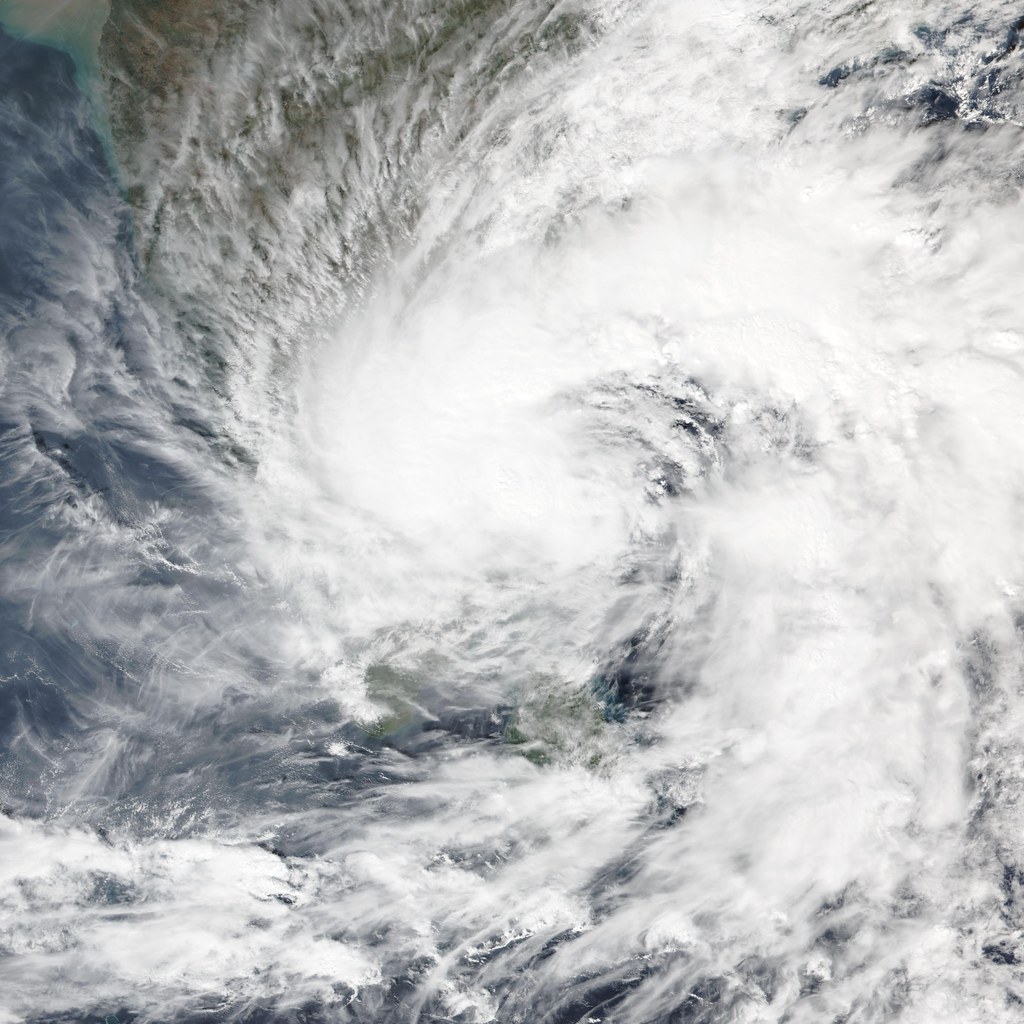
For many families on India's coast, animals are both family members and a main source of income. A cow, a pair of bullocks or a flock of goats can be a family's biggest asset. Yet animals are often forgotten in cyclone plans, and thousands die in every major storm, mostly by drowning while tied up, or from hunger and disease afterwards.
This checklist covers pets (dogs and cats), cattle and buffaloes, goats and sheep, and poultry: how to shelter them, how much food and water to store, and how to protect your claim if they are lost.
Part 1: For All Animals
Before the Season
- ☐ Vaccinate animals on time. Ask your vet about vaccines for diseases that spread after floods, such as haemorrhagic septicaemia (HS) in cattle and buffaloes
- ☐ Deworm animals before the season
- ☐ Make sure cattle have their official ear tags, and pets have a collar with your phone number
- ☐ Take clear photos of each animal, showing ear tags or markings
- ☐ Insure livestock where possible, and keep insurance papers in your document pouch
- ☐ Find a raised, safe place nearby where animals can be moved in a flood
- ☐ Save the number of your local vet and the animal helpline (1962 in many states)
When a Cyclone Is Forecast
- ☐ Store food and water for animals (see the amounts below)
- ☐ Decide where each animal will stay during the storm
- ☐ If you will evacuate, decide what you will do with each animal (see Part 4)
Part 2: Cattle, Buffaloes, Goats and Sheep
Shelter
- ☐ Untie all animals before the storm. This is the single most important step
- ☐ Move them to the highest ground available: a raised platform, embankment, or higher field away from the sea and rivers
- ☐ Do not keep animals in a weak shed with a tin roof, or under big trees and electric lines
- ☐ Some coastal areas have raised animal shelters or mounds. Find out if yours does
- ☐ Keep calves and young animals close to their mothers
Fodder and Feed
- ☐ Store at least 7 days of dry fodder (straw, hay) for every animal
- ☐ Keep fodder on a raised platform and cover it with tarpaulin. Wet fodder rots and grows mould, which can make animals sick
- ☐ Store concentrate feed and mineral mixture in sealed bags or drums
- ☐ Keep a little green fodder for the first two days if possible
- ☐ Do not feed animals mouldy or rotten fodder after the storm
Water
- ☐ Store clean drinking water in drums. Flood water is dirty and spreads disease
- ☐ Plan for large amounts: a cow or buffalo can drink 30-60 litres a day, more when milking. A goat or sheep needs around 4-5 litres
Rough Guide: Daily Needs
| Animal | Dry fodder per day | Water per day |
|---|---|---|
| Adult cow | About 6-8 kg | 30-50 litres, more when milking |
| Adult buffalo | About 8-10 kg | 40-60 litres, more when milking |
| Goat or sheep | About 1-1.5 kg | 4-5 litres |
| Calf | About 2-3 kg | 10-15 litres |
These are rough figures. Needs depend on the animal's size, breed, whether it is milking, and how much green fodder or concentrate it gets. Ask your vet for exact advice.
Milking Animals
- ☐ Keep milking on schedule where safe, to prevent mastitis
- ☐ Keep clean vessels and soap for milking
- ☐ Make a plan for milk if the dairy collection stops for a few days
Part 3: Poultry
- ☐ Tie down or brace poultry shed roofs, and cover the open sides with gunny bags or plastic curtains
- ☐ Raise feeders, waterers and feed bags above possible flood level
- ☐ Store feed for at least 7 days in sealed bags
- ☐ For backyard poultry, move birds into a strong, raised coop or basket in a safe room
- ☐ Sell or move birds ready for market before the storm if possible
- ☐ After the storm, remove and safely bury dead birds and report unusual deaths to the vet
Part 4: Pets (Dogs and Cats)
Pet Emergency Bag
- ☐ Food for 3-5 days, in a sealed container
- ☐ Drinking water for 3-5 days and two bowls
- ☐ Collar with ID tag and your phone number, plus a leash
- ☐ A carrier or crate, especially for cats and small dogs
- ☐ Any medicines and vaccination records
- ☐ A recent photo of your pet, in case you are separated
- ☐ Waste bags, old newspaper or litter
- ☐ A towel or blanket, and a favourite toy to reduce stress
During the Storm
- ☐ Bring pets indoors well before the wind rises. Frightened animals run away and get lost
- ☐ Keep them in the same safe room as the family
- ☐ Keep cats in a carrier and dogs on a leash, as noise can panic them
- ☐ Never leave a pet chained or tied outside
If You Evacuate
- ☐ Ask in advance whether your local shelter allows pets
- ☐ If not, arrange for pets to stay with relatives or friends in a safe area
- ☐ If you must leave a pet behind, keep it indoors in the highest, safest room with plenty of food and water, and never tied
Part 5: Street and Community Animals
- ☐ Leave a shed, garage or verandah open for street dogs to shelter, if safe
- ☐ Leave some water and food out before the storm
- ☐ After the storm, report injured animals to local animal welfare groups or the municipality
Part 6: After the Storm
- ☐ Check animals for injuries, and contact the vet or 1962 for help
- ☐ Give only clean water and dry, unspoiled fodder
- ☐ Watch for signs of disease: fever, not eating, diarrhoea, swelling in the throat or difficulty breathing
- ☐ Attend veterinary and vaccination camps that the animal husbandry department sets up
- ☐ Bury or dispose of dead animals safely, away from water sources, or inform the panchayat
- ☐ Photograph any dead or lost animals with their ear tags, and report them to the animal husbandry office, panchayat and your insurer for compensation under SDRF norms and livestock insurance
Quick Checklist
- ☐ Vaccinated, dewormed and tagged
- ☐ Photos of every animal taken
- ☐ 7 days of fodder and feed stored, raised and covered
- ☐ Clean drinking water stored
- ☐ Raised safe place for livestock chosen
- ☐ Animals untied before the storm
- ☐ Pet emergency bag packed
- ☐ Plan for pets if you evacuate
- ☐ Vet and 1962 numbers saved
Farmers should also read the farmers' pre-cyclone checklist, and every family should follow the 72-hour countdown checklist when a storm approaches.
Feed and water figures are general guides. Follow your veterinarian and state animal husbandry department. Indian Cyclones is an independent explainer, not an official warning service.