Cyclone 72-Hour Countdown Checklist: What to Do and When
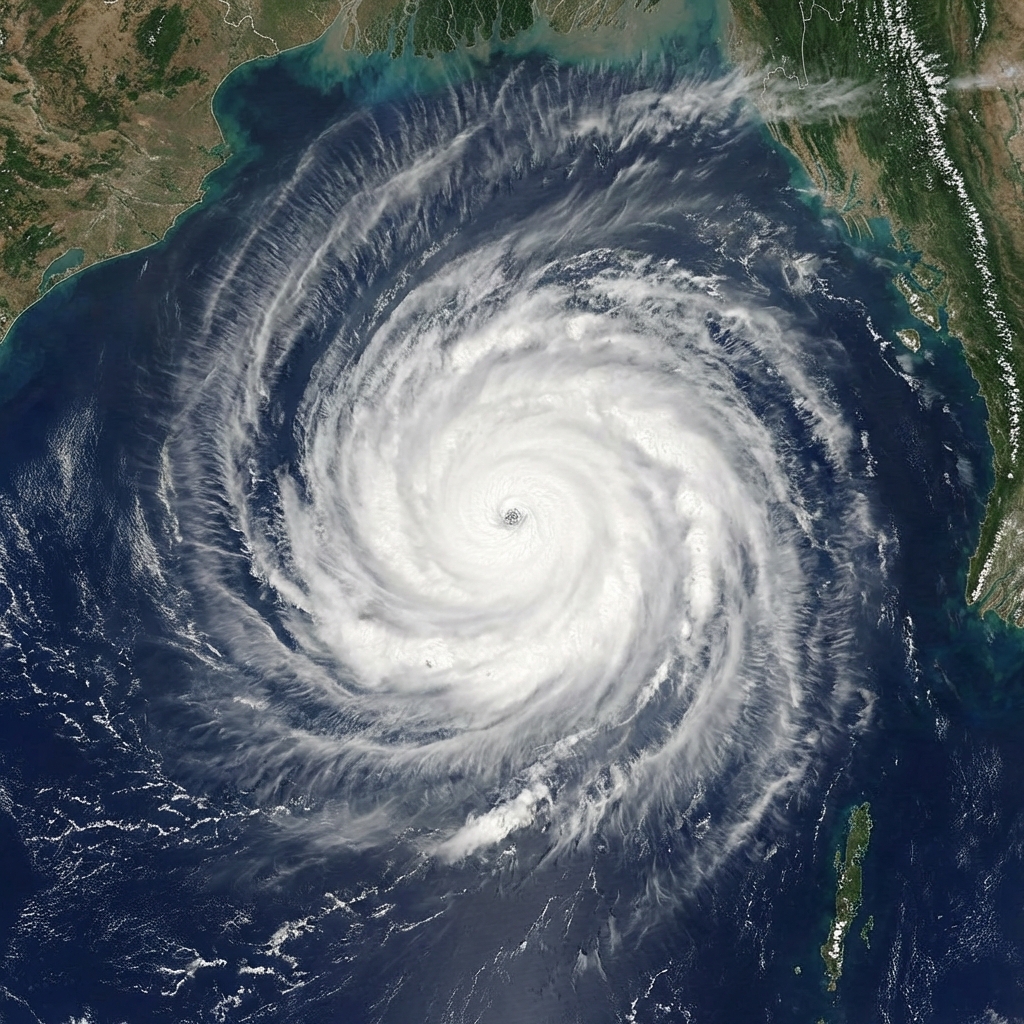
A cyclone rarely arrives without warning. IMD usually tracks it for days, and issues formal warnings in stages as it approaches. The problem is that people often waste the first two days and then try to do everything in the last few hours, when shops are empty, roads are jammed and the wind is rising.
This checklist breaks preparation into four stages that match IMD's warning stages. Do each stage's tasks when that warning is issued, and you will be ready long before the storm arrives.
| Stage | IMD warning | Time before bad weather | Focus |
|---|---|---|---|
| 1 | Pre-Cyclone Watch | About 72 hours | Stock up and plan |
| 2 | Cyclone Alert | About 48 hours | Prepare home and family |
| 3 | Cyclone Warning | About 24 hours | Secure everything, evacuate if needed |
| 4 | Final hours | About 6 hours | Shelter in place |
Stage 1: 72 Hours Before (Pre-Cyclone Watch)
The storm is still far out at sea. The sky may be clear. This is your best time, because shops are open and nobody is panicking yet.
Information
- ☐ Check the latest IMD bulletin and the Active Systems page
- ☐ Turn on emergency alerts on your phone, and install the Mausam and SACHET apps
- ☐ Find out if your village or ward is in an evacuation zone
- ☐ Confirm the location of your nearest cyclone shelter and the route to it
Supplies
- ☐ Check your emergency kit and replace anything missing or expired
- ☐ Buy drinking water: at least 3 litres per person per day for 3 days
- ☐ Buy dry food for 3-5 days (chura, muri, biscuits, jaggery, ready-to-eat packs)
- ☐ Refill regular medicines for at least 7 days
- ☐ Withdraw cash for a week, in small notes
- ☐ Buy torch batteries and charge power banks
- ☐ Fill your vehicle's fuel tank
- ☐ Book an LPG refill if your cylinder is low
Planning
- ☐ Review your family emergency plan
- ☐ Check on elderly, sick or disabled relatives and neighbours, and plan their early move if needed
- ☐ Pregnant women in the last weeks should plan to move near a hospital
- ☐ Farmers: start harvesting mature crops (see the farmers' checklist)
- ☐ Fishermen: do not start new trips, and contact boats already at sea
Stage 2: 48 Hours Before (Cyclone Alert)
The coast likely to be affected is now clearer. Get the house and family ready.
Home
- ☐ Start the home cyclone-proofing checklist
- ☐ Trim weak branches near the house, if it is still safe to do so
- ☐ Clear drains and gutters around the house
- ☐ Collect plywood, rope, nails, tarpaulin and sandbags
- ☐ Fill the overhead tank, buckets and drums with water
Family
- ☐ Pack one go-bag per person
- ☐ Put documents in a waterproof pouch and upload scans to DigiLocker
- ☐ Write emergency numbers on paper: 112, 1077, 1070, 108
- ☐ Tell your outside contact person about your plan
- ☐ Move elderly, sick and pregnant family members to a safer place now if you live in a high-risk area
Animals and Livelihood
- ☐ Store fodder and animal feed in a high, dry place (see pets and livestock checklist)
- ☐ Haul small boats above the high tide line, store engines and nets
- ☐ Photograph your house, crops, boats and animals for later claims
Stage 3: 24 Hours Before (Cyclone Warning)
The landfall area and time are now clear. Finish everything today. By tomorrow, it may be too late.
Decide: Stay or Go
- ☐ If an evacuation order is issued, leave. Use the evacuation checklist
- ☐ If you live in a kutcha, thatched or tin-roofed house, or a low-lying area near the sea, go to a shelter even without an order
Secure the Home
- ☐ Board up or shutter windows. Close curtains to catch flying glass
- ☐ Bring in or tie down everything loose outside: tin sheets, pots, chairs, cycles
- ☐ Move valuables, grain, documents and electronics to a high shelf
- ☐ Choose your safe room and move the stay-home kit there
- ☐ Charge every phone, power bank and emergency lamp to 100%
Final Supplies
- ☐ Cook and store food for the next 24 hours
- ☐ Boil and store drinking water
- ☐ Keep the radio, torches and whistle within reach
Animals
- ☐ Move cattle to high ground and untie them
- ☐ Bring pets indoors
Stage 4: The Final 6 Hours
Rain bands and strong gusts start. From now on, stay put.
- ☐ Everyone is indoors or in the shelter
- ☐ No visits to the beach, river or fields
- ☐ Turn off the LPG cylinder at the regulator after cooking
- ☐ Switch off the main power if water may enter, or if officials advise
- ☐ Keep go-bags beside you in the safe room
- ☐ Keep listening to radio or TV for updates
- ☐ Save phone battery: use battery saver and keep calls short
- ☐ Remember: if the wind suddenly drops, it may be the eye. Stay inside
Read what to do next in What to Do During a Cyclone.
The Five Most Common Mistakes
- Waiting for the sky to look bad: by then shops are empty and roads are dangerous.
- Buying supplies on the last day: water, batteries and power banks sell out first.
- Leaving evacuation too late: most deaths happen to people who stayed in unsafe homes near the sea.
- Forgetting medicines and cash: pharmacies and ATMs close for days.
- Trusting WhatsApp forwards: follow only IMD and your district administration.
Warning times are approximate and every storm is different. Always follow the latest IMD bulletin and your district administration. Indian Cyclones is an independent explainer, not an official warning service.