Cyclone Evacuation Readiness Checklist: Before You Leave
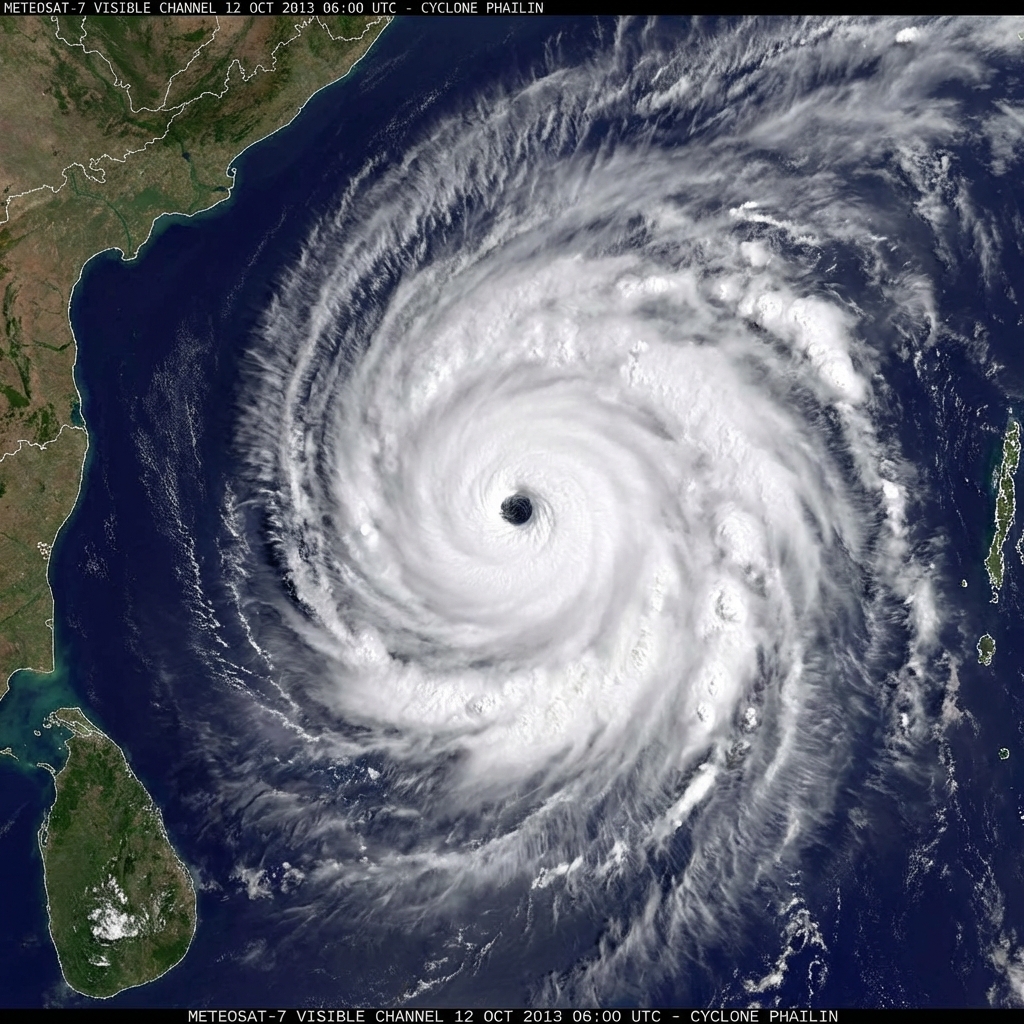
Most people who die in Indian cyclones drown in storm surge or are killed when weak houses collapse. Evacuation removes both risks. Odisha's mass evacuations before Phailin in 2013 and Fani in 2019, each moving around a million people to safety, are a big reason why far fewer people died than in 1999.
But evacuation only works if you are ready to go when the order comes. This checklist covers everything to sort out before the season, and everything to do in the last hour before you leave.
Part 1: Before the Cyclone Season
Know If You Need to Evacuate
- ☐ Find out if your village or ward is in an evacuation zone (ask the panchayat, ward office or tehsil)
- ☐ You should plan to evacuate for any severe cyclone if you live:
- within a few kilometres of the sea, a river mouth or creek
- in a low-lying area that floods
- in a kutcha, thatched or tin-roofed house
Know Where to Go
- ☐ Locate your nearest cyclone shelter or designated safe building
- ☐ Find a second option: a relative's pucca house further inland, or another shelter
- ☐ Plan two routes to each, avoiding low bridges, river banks and roads that flood
- ☐ Walk or drive the route once with the family
- ☐ Note how long it takes, especially with elderly members and children
Know How You Will Get There
- ☐ Own vehicle: keep the fuel tank at least half full during the season
- ☐ No vehicle: find out where government evacuation transport will pick people up
- ☐ Arrange help in advance for family members who cannot walk
Prepare
- ☐ Pack one go-bag per person (see the emergency kit checklist)
- ☐ Make your family emergency plan, with meeting points and an outside contact
- ☐ Plan for pets and livestock (see the pets and livestock checklist)
Part 2: When to Leave
| Situation | When to leave |
|---|---|
| Evacuation order issued for your area | Immediately |
| Kutcha, thatched or tin-roofed house near the coast | At the Cyclone Warning, even without an order |
| Elderly, sick, disabled or heavily pregnant family members | At the Cyclone Alert, about 48 hours before |
| Long or difficult route to the shelter | Early, in daylight |
| Winds and rain have already become strong | Stay in the strongest part of your house, and call 112 or 1077 if in danger |
Never wait to "see how bad it gets". Storm surge can flood coastal areas very quickly, often before the strongest winds arrive.
Part 3: The Last Hour Before You Leave
Take With You
- ☐ Go-bags for every person
- ☐ Document pouch (Aadhaar, ration card, bank passbook, land papers, insurance)
- ☐ Medicines for 7 days and prescriptions
- ☐ Cash in small notes
- ☐ Phones, chargers and charged power banks
- ☐ Drinking water and dry food for one day
- ☐ Torch, whistle and a light blanket per person
- ☐ Baby food, diapers, sanitary pads
- ☐ Spectacles, hearing aids, walking sticks
Secure the House
- ☐ Switch off the main power switch
- ☐ Close the LPG regulator
- ☐ Close the main water valve
- ☐ Unplug all appliances
- ☐ Move grain, valuables and electronics to the highest place in the house
- ☐ Close and bolt all windows and doors
- ☐ Lock the house
Animals
- ☐ Untie all livestock so they can move to higher ground
- ☐ Take pets with you if the shelter allows, or leave them with relatives inland
- ☐ Leave food and water for animals that stay behind
Tell People
- ☐ Message your outside contact: where you are going and who is with you
- ☐ Check that elderly neighbours and people living alone are also leaving
- ☐ Inform the volunteer or official at the shelter when you arrive
Part 4: On the Way
- ☐ Follow the routes officials recommend, not shortcuts
- ☐ Do not walk or drive through moving water. 15 cm can knock you over, and 30-60 cm can carry away a car
- ☐ Keep away from the beach, river banks, electric poles and big trees
- ☐ Keep children holding an adult's hand
- ☐ If the weather turns too dangerous to continue, go into the nearest strong concrete building
Part 5: At the Shelter
- ☐ Register with the shelter in-charge so relief teams know you are safe
- ☐ Keep your family together and your documents and cash on your body
- ☐ Tell the in-charge about anyone who is sick, injured, pregnant or needs medicine
- ☐ Drink only safe water provided at the shelter
- ☐ Follow shelter rules about hygiene, food and sleeping areas
- ☐ Women and children: report any harassment to the shelter in-charge, police (112) or women's helpline (181)
- ☐ Do not go home until officials give the all-clear, even if the weather looks calm
Why People Refuse to Evacuate, and Why They Should Not
| Common reason | The reality |
|---|---|
| "Our house survived the last cyclone" | Every storm is different. Surge depends on the exact landfall point, the tide and the storm's size. |
| "Someone will steal our things" | Police patrol evacuated areas. Belongings can be replaced. Lives cannot. |
| "I cannot leave my cattle" | Untie them and move them to higher ground. Untied animals have a far better chance of surviving. |
| "The shelter is crowded" | A crowded shelter for one or two nights is far safer than a house in a surge zone. |
| "The weather looks fine" | The weather often looks calm until the last day. Officials order evacuation based on forecasts. |
Before the next storm, also go through the 72-hour countdown checklist and save the emergency helpline numbers.
Indian Cyclones is an independent explainer, not an official warning service. Always follow evacuation orders from your district administration.